The Biblical Preaching Podcast is live! My plan is to build on episodes with blog posts here so that you can get extra content on the blog, but also hopefully want to check out either the podcast or the related videos on YouTube.
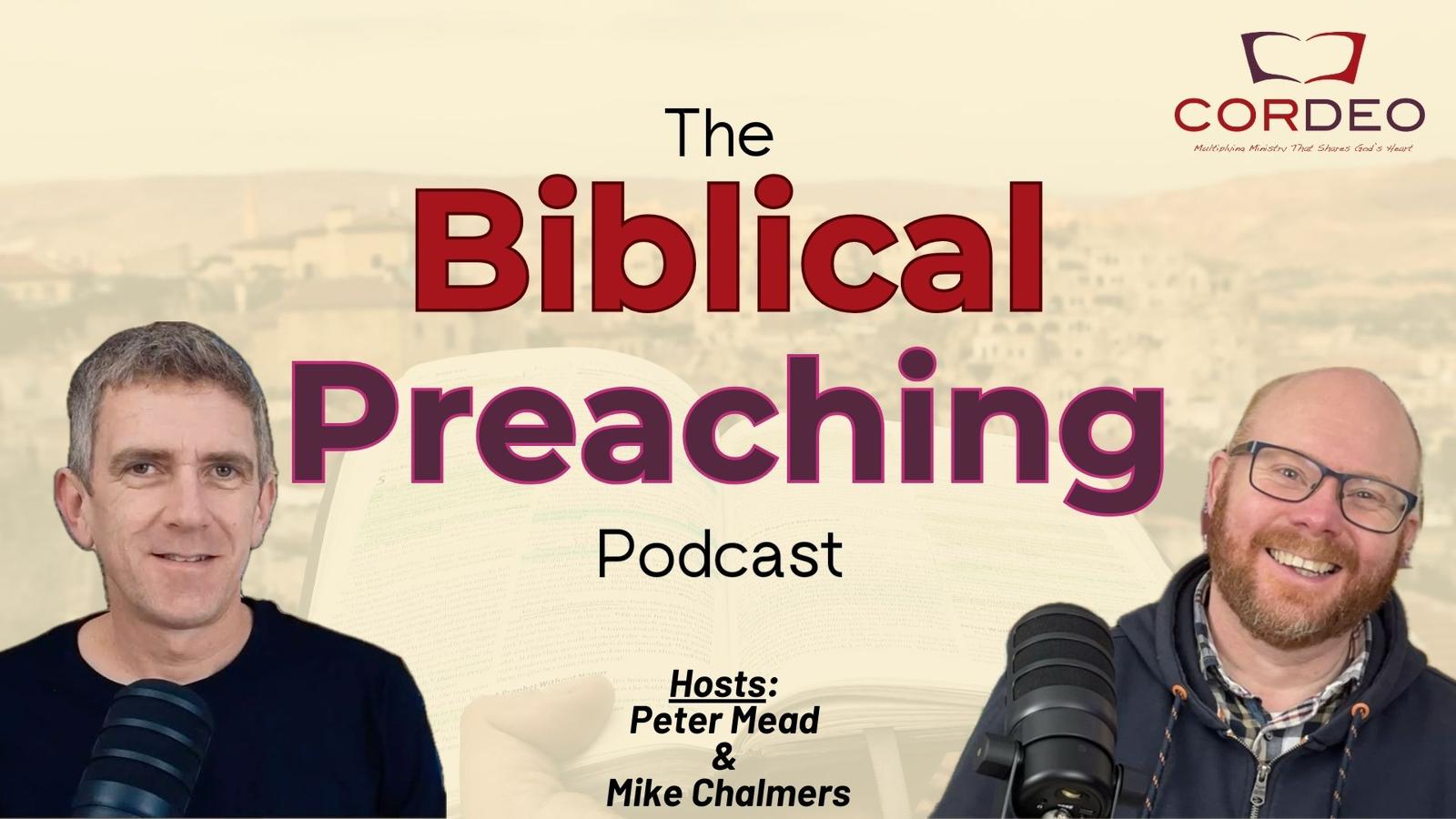
In Episode 1, we discuss “Why Biblical Preaching?”
People often raise the issue of a changing society. The logic is simple – our world is changing at a rapid rate. Technology is advancing faster than ever; people are bombarded with highly stimulating, rapidly moving content, and consumers access information differently than they did even a few years ago. Therefore, many say that a verbal monologue delivered to a gathered congregation must be a mode of communication that should be consigned to history. Spurgeon’s Victorian England may have needed preachers, and maybe Lloyd-Jones’ twentieth-century London required preachers, but surely we now live in a different world?
In the first part of the podcast, we discuss the question, “why preaching?” We mention three reasons:
1. Because of the Biblical example – From Moses and Joshua, through the times of the Old Testament prophets, to the ministry of Jesus and the apostles in the early church, the consistent example is that of spoken messages pointing people to God’s person and purpose in this world.
Note: The world of the Bible is not monolithic. There were vast shifts and changes between the preaching of Moses in Sinai, and the message of Joshua in the Promised Land, to the proclamation of Paul in Athens or Miletus. And yet, through all the rising and falling of great empires, the shifting of cultures, the progression in God’s plan of history, still the pattern is consistent. God’s messengers spoke a word that changed lives and shifted history. It could be considered arrogant to think that our brief period of change should override millennia of shifting contexts in which preaching was a primary means of God working in the world.
2. Because of Biblical instruction – Paul’s final letter, written to Timothy, closes with the instruction to preach the Word. It is fascinating that he does not focus on spectacular spiritual gifts or any other possible emphases for continuing ministry beyond his own time. Instead, he urges Timothy to prioritize reading God’s Word and preaching it! In other places, we can see instruction that would lead us to consider preaching as a critical component of gospel ministry.
3. Because of theological reality – What is God like? He is a revealing, speaking and incarnational God. In preaching, we see all persons of the Trinity in action – the Father’s loving initiative driving the whole mission of God in this world; the Son’s revealing of his Father and rescuing of humanity is the focus of both Scriptural and biblical preaching; and the Spirit woos, convicts and changes hearts through preaching. In the podcast, I note how preaching (in this case, including spoken testimony), plays a key role in the story of salvation. Where humanity fell into sin by doubting the word of an apparently absent God, so God wins a redeemed people back based not on a great show of power but based on the apparent weakness of words spoken in the kingdom of darkness.
In the second part of the podcast, we get into why we use the label “Biblical Preaching” and whether that is the same as “Expository Preaching.” I will let you listen to the podcast to find out more! Please check out the podcast, follow it on your podcast platform of choice, and thank you in advance for every interaction with the podcast or YouTube clip, as it helps the algorithm spread the content to more people. Positive reviews are invaluable as we get the podcast going – thank you!
Click here to find the podcast on Apple Podcasts, and click here to find it on Spotify, or search for The Biblical Preaching Podcast on whatever app you use to find podcasts. And here is the YouTube video if you like to watch:
 Biblical Preaching