Where do we turn when we are troubled? Whether that is a personal struggle, a complicated situation at church, or a concerning development in the world, we should turn to the Bible. Sometimes, we find a specific verse that resonates and lingers within us. Other times, the treasure we need will come from a more purposeful digging into a theme or concept. As more people realise that our world is teetering on the edge of political and societal collapse, let’s find help by mining the blessing of just one word in one Bible book.
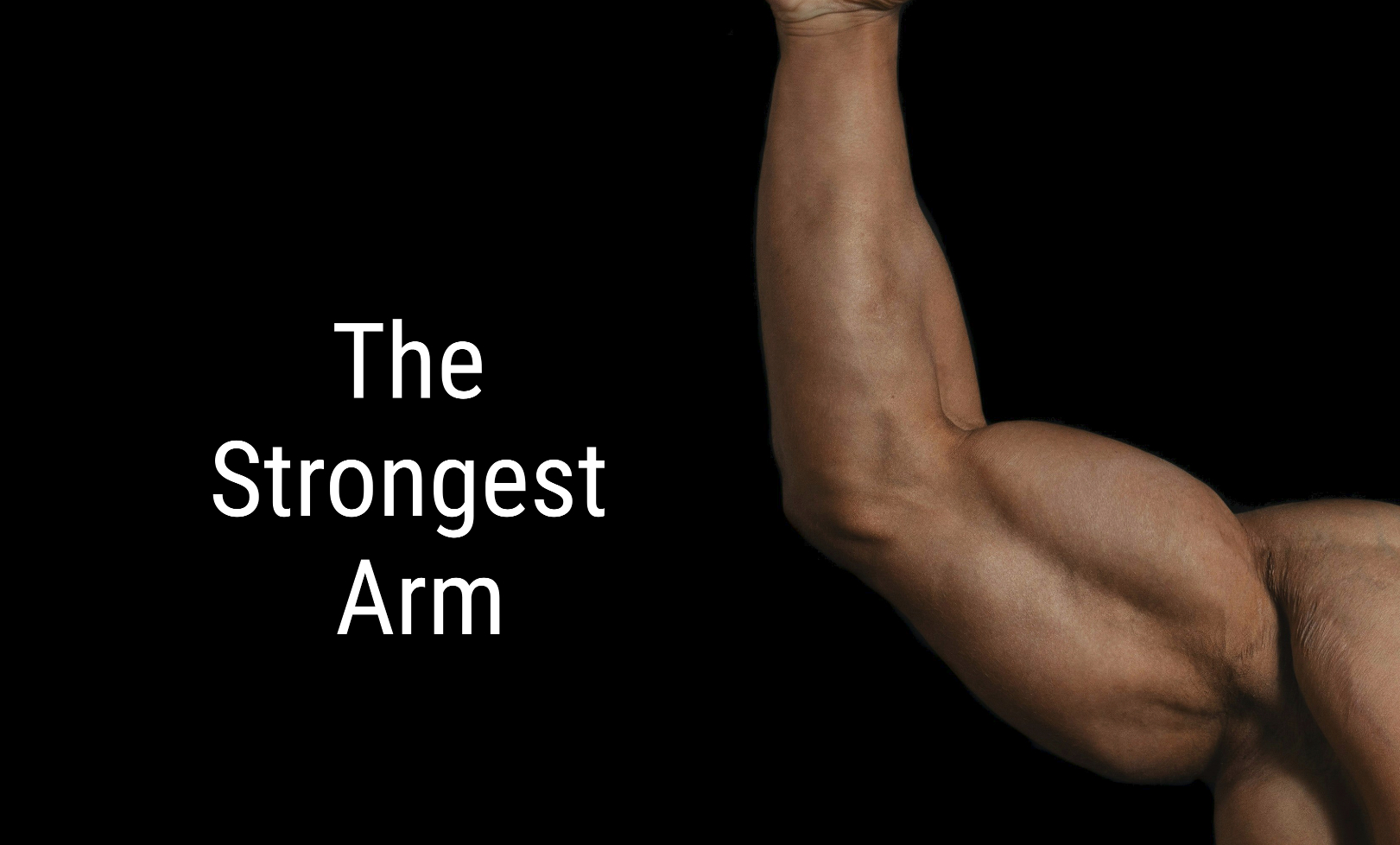
The Hebrew term translated as “arm” is found in Isaiah more than any other Old Testament book. Fourteen times, it refers to the arm of the LORD. Could it be what we need to lift our spirits in troubling times?
The Image Introduced: The Two Functions of the Arm
The term is only found twice in Isaiah 1-39. The first time, in Isaiah 30:30, it is used to describe lightning crashing down on the mountain of the LORD. Just as thunder is God’s majestic voice, lightning is the descent of “God’s arm.” The enemies of God should fear because the LORD himself is guaranteed to win in battle. In Isaiah 33:2, the second use comes in the cry of God’s people as they ask him to be gracious, to “be our arm every morning, our salvation in the time of trouble.” God’s arm is indeed his strength as he steps in to fight against the enemies of his people, but for his people, his arm is their salvation, a symbol of their hope.
At the start of Isaiah 40-66, we again meet this double image of the LORD’s arm. In chapter 40, as the Babylonian exile is anticipated, the prophet looks forward to the hope of returning to Zion, where God himself will dwell. They hope to look to him, to “Behold your God!” (Isa. 40:9) What are they looking at? The Lord GOD comes with might, his arm ruling for him (an image of strength and an instrument of justice); this is their God (Isa. 40:10). But this strong arm is also secure. He gathers his flock like a shepherd, holding the lambs in his arms close to his chest (Isa. 40:11). The arm of the LORD is an instrument of justice to be feared by all nations and yet the means of deliverance for his people.
There are two clusters of references to the arm of the LORD in the later chapters of Isaiah. The two themes of salvation and justice remain paired throughout the book; however, the first cluster of references focuses on God’s saving work, and the second cluster focuses on God’s judging work.
Cluster One: The Surprising Arm of Salvation (chapters 49-53)
Isaiah 40-66 consists of three sets of nine chapters, each ending with a promise of judgment for the wicked (see 48:22; 57:21; 66:24). At the end of the first set of nine chapters, which offers a strong contrast between the living and speaking God of Judah and the dead and dumb idols of Babylon, we find another reference to the arm of the LORD. God has indeed called his people, loving them and simultaneously judging the Chaldeans with his arm outstretched against them (Isa. 48:14). That arm becomes very evident in the following chapters.
With the focus on the Servant of the LORD (see Isa. 49:1-6), the contrast shifts onto the sin of God’s people versus the obedience of the LORD’s Servant. Repeatedly, God is shown to be a God of justice and salvation. Thus, “my arms will judge the peoples,” and the far-off nations wait for “my arm” (Isa. 51:5). While creation itself may wear out, God’s salvation and righteousness will be forever. And so the cry rings out for the arm of the LORD to “awake” and “put on strength” (Isa. 51:9). It was the arm of the LORD that delivered Israel from Egypt in the past. It will deliver them again in that future return from exile.
As the oracle continues into chapter 52, the good news of salvation reaches Jerusalem, and the watchmen sing for joy. The LORD has comforted Zion (Isa. 52:9, cf. 40:1); all the ends of the earth will see his salvation. Why? Because “The LORD has bared his holy arm before the eyes of all the nations.” (Isa. 52:10). He has rolled up his sleeves to act before the eyes of the whole world. The following reference must be climactic. What will God do? The last reference in this cluster comes, poignantly, in the final servant song, in Isaiah 52:13-53:12. At the start of the second stanza, Isaiah asks, “Who has believed what he has heard from us? And to whom has the arm of the Lord been revealed?” (Isa. 53:1). Surprisingly, the powerful saving arm of God has been revealed in the unimpressive Servant, despised and rejected by men, the man of sorrows. We know the arm of the LORD can bring salvation; we need only remember the cross of Christ to see that reality revealed to all who have eyes to see.
Cluster Two: The Powerful Arm of Righteousness (chapters 59-63)
Of course, the story of human sin persists, and the later chapters of Isaiah reinforce that the Servant’s saving work does not mean that sin’s effects are already finished. When we come to Isaiah 59, we find a litany of evils persisting, and human nature is still set against God’s holiness. In Isaiah 59:15-16, the LORD sees the sin, the lack of justice, and the absence of righteousness, and he is displeased. So, while no humans would do the right thing, God himself, by his own arm, brought salvation and righteousness. The same pair of goals, established by the same strong arm, yet again. Could this refer back to the same events described in chapters 51-53? Perhaps, but there is a hint of vengeance now, a tone of final judgment. This eschatological focus becomes more evident as the chapters progress.
By chapter 62, it is clear that the LORD is seeing the return of the people to the land in final and complete terms. Jerusalem’s righteousness and salvation must ultimately shine forth (Isa. 62:1). The nations will finally see that Israel is God’s delight, a nation married to him (Isa. 62:4). The establishment of Jerusalem is the great eschatological goal of Isaiah, with the nations praising what God has done (Isa. 62:7). And this plan is guaranteed by the LORD’s oath, which is made by his right hand and mighty arm (Isa. 62:8).
The celebration of the city feels like the end of the story. But then, Isaiah introduces a warrior riding in from Edom, his garments stained blood red (Isa. 63:1). Here is the one who has made it all possible by treading the winepress alone. This Warrior is the Servant of Isaiah 53, now having returned to conquer and judge, to fight God’s great battle, and to establish righteousness and salvation on the earth. He had looked for others to join in, but again, he fought that battle alone, and his “own arm” brought him salvation (Isa. 63:5). The Servant had returned, now a Warrior: a different role, but the same mighty arm. This was the same “glorious arm” that had formerly fought for Israel in the wilderness in the days of Moses, dividing the waters and going before his people. (Isa. 63:12)
Conclusion
Isaiah paints a powerful portrait of the LORD of Israel. One feature of this God is his arm, awakening and going forth in power to establish righteousness and achieve salvation for his people. The arm of the LORD is a symbol of might and power, a glorious arm that the nations should fear, and yet a symbol of tender strength that God’s people should trust. In the first cluster of references, in Isaiah 48-53, we find the arm revealed surprisingly in the suffering Servant, despised and rejected, yet achieving God’s great salvation plan. In the second cluster of references, in Isaiah 59-63, we find the arm revealed again, now in the conquering Warrior-King, judging the enemies of God and establishing God’s great eschatological plan for his people.
In the past, the arm of the LORD went forth for Israel in the wilderness. Then the arm of the LORD was revealed in the suffering Servant at the cross. Ultimately, the arm of the LORD will conquer and establish God’s purposes in the future.
Righteousness and salvation are ever God’s dual concerns. The nations are ever his sphere of influence. His people are ever his beloved focus. And his arm is never too short to save.
So what about today? With sin ramping up to apparently unprecedented levels in abject rebellion against God’s rule and the world seemingly teetering on the edge of human-led disaster, let us again look for the arm of our LORD. He is mighty to judge, and he is tender to save. His plans will be established, the nations will be judged, and we will be safely in his arms.
Let us dig into the Scriptures to find truths about our God that will assure us that his embrace is secure, whatever may be happening in the world around us.


 Biblical Preaching